
Vortragsreihe. Aus dem Ankündigungstext der Veranstalter: «La explotación de los recursos minerales, metálicos o de cualquier otro tipo, ha formado parte de las actividades de la sociedad desde las más tempranas edades. A lo largo del tiempo ha ido evolucionando al paso que marcaban las comunidades que los utilizaban, de forma que de un uso casi esporádico se pasó a su utilización como bien de prestigio personal o comunitario; su transformación, cada vez más elaborada, desembocó en unas prácticas tecnológicas que se convirtieron en indicadores del avance y progreso material de las diferentes culturas.
Uno de los territorios más propicios para estudiar arqueológicamente ese desarrollo es sin duda la Península Ibérica, por la riqueza y diversidad de minerales que contiene. Durante la República y el Alto Imperio romano la tecnología minera alcanzó un florecimiento sinigual, a la par que se producía la progresiva integración peninsular como provincias hispanas.
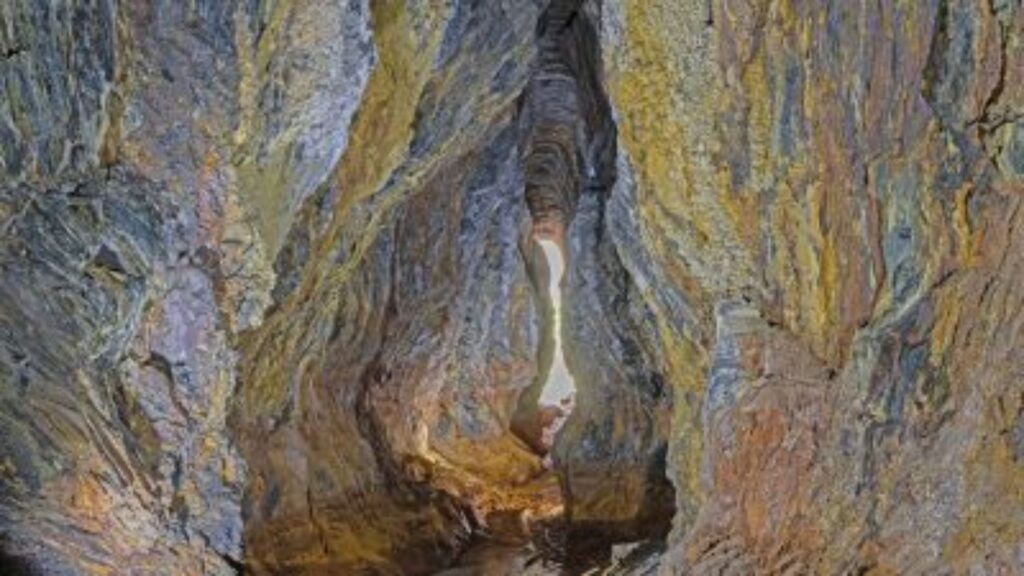
Dentro de una global explotación de sus recursos, los metalla (minas y canteras) de Hispania abastecieron de plata, plomo, cobre, hierro y oro a buena parte del mundo mediterráneo. Esa actividad, en la que también hay que incluir entre otros el minio, el espejuelo o el mármol, influyó decisivamente en la articulación y ordenación de todo el territorio peninsular.»
Mit Beiträgen u.a. von
– Francisco J. Sánchez-Palencia (Profesor vinculado ad honorem, CSIC – IH), Y nunca ninguna tierra ha producido tal cantidad de oro, plata, cobre o hierro
– Juan Antonio Antolinos Marín (Arqueólogo, Cartagena), La producción de plomo y plata en el territorio de Carthago Noua durante los siglos II-I a.C.
– Luis Arboledas Martínez (Universidad de Granada), Sierra Morena, venero de metales de la Hispania romana
– Aquilino Delgado Domínguez (Museo de Riotinto), La explotación de los minerales complejos de la Faja Píritica Ibérica
– Francisco J. Sánchez-Palencia (Profesor vinculado ad honorem, CSIC – IH), El oro de Asturia, Galaecia y Lusitania
– Almudena Orejas Saco del Valle (Profesora de investigación del CSIC), Organización y ordenación de los territorios mineros de Hispania
5. Oktober bis 30. November 2026, 18-20h
Organisation: Francisco J. Sánchez-Palencia (Profesor vinculado ad honorem, CSIC – IH)
Veranstaltungsort: Museo Arqueológico Nacional; c/ Serrano, 13; 28001 Madrid, Salón de actos
Programm: www.man.es/man/actividades/…
 weitere am 23. Oktober,